
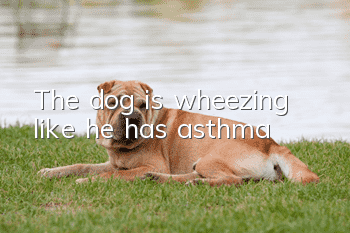
The dog is wheezing like he has asthma
1. Respiratory system infection: When dogs are infected with upper respiratory tract diseases (such as pneumonia, bronchitis, etc.), their breathing tubes will be stimulated by inflammation, leading to narrowing of the airways. Capillary dilation, immune response regulation, etc. may cause varying degrees of changes in breath sounds and difficulty breathing.
2. Allergic reaction: After allergens appear on the dog's skin, the histamine and other chemical substances secreted by it re-enter the body to play a role. The accumulated results will cause dry cough and high-pitched breathing.
3. Bronchial asthma: Dogs sometimes suffer from bronchial asthma, which is very similar to human asthma. Asthma is usually caused by narrowing of the airways and is accompanied by symptoms of breathing difficulties such as chest tightness, wheezing and coughing.
4. Environmental factors such as heat and humidity: Hot weather or humid environment will cause dogs to pant violently, and their wheezing sounds will sound similar to wheezing.
5. Obesity or lack of exercise: Obesity and sedentary life are also among the main culprits of respiratory problems. Dogs that are overly active or have excitable behavioral characteristics will generally have more severe huffing and puffing sounds after inhaling too many particulates and suffering from physical disorders after being outdoors for a long time.
6. Other health problems: health problems that threaten the health of dogs, such as heart disease, lower respiratory tract overstimulation, hyperthyroidism and anemia.
Methods to take care of sick dogs:
1. Sick dogs often need higher nutrition. For example, in a sick dog with fever, the metabolism level generally increases by 10% for every 1°C increase in body temperature, which means that the consumption of nutrients in the body is higher than that of normal dogs.
2. To supplement protein, it is best to use animal protein feed, minimize the crude fiber content in food, and supplement adequate amounts of vitamins and inorganic salts. In addition to paying attention to the nutritional composition and content, you should also pay attention to the palatability of the food. Generally speaking, sick dogs have poor appetite and will stop eating if the food is slightly unpalatable. Therefore, you should choose the food that your dog likes to eat most and feed it in a quantitative amount to increase its appetite and food intake as much as possible.
Related articles


Random articles
- How to train a Havanese dog Havanese dog training tips
- How old should you start training Portuguese Water Dogs? What is the best time to train Portuguese Water Dogs?
- How to potty train a Portuguese Water Dog Portuguese Water Dog Potty Training
- How to train Kunming Dog Kunming Dog Training Tutorial
- What should Kunming dogs pay attention to in their summer diet? What should Kunming dogs pay attention to in their summer diet?
- How to train Kunming Dog to pick up things? Tutorial on training Kunming Dog to pick up things.
- How to raise Kunming dogs How to raise Kunming dogs
- How to clean Kunming dog’s ears How to clean and care for Kunming dog’s ears
- How to deal with constipation in Brittany dogs. Solutions to constipation in Brittany dogs.
- How to treat skin diseases in Kunming dogs How to treat skin diseases in Kunming dogs