
What's wrong with the puppy scratching the wall?
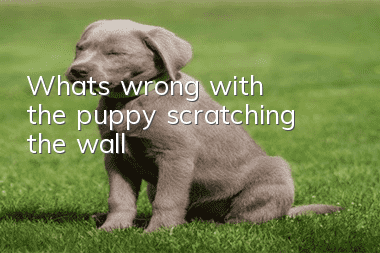
1. If the puppy’s claws are too long, it will affect the dog’s normal life, so the puppy is grinding its claws. At this time, the puppy will scratch the wall or run to wear off the nails to make itself more comfortable. .
2. When puppies are bored at home alone, they will entertain themselves in their own way, such as scratching the wall, scratching the sofa, and tearing paper towels to consume their energy.
3. The puppy will scratch the wall when the mood fluctuates greatly. The breeder rarely stays with the puppy, and keeps it indoors all the time, and does not let it go out to play. , over time, it will feel lonely, which will lead to great psychological pressure, and the phenomenon of scratching the wall will occur.
What to do if the puppy scratches the wall:
1. It may be because the puppy’s nails are too long and he is grinding his nails. Once the dog owner finds that the puppy scratches often Wall, you need to check whether the dog's nails are too long. If they are long, they need to be trimmed in time.
2. If the dog not only scratches the wall, but also chews the white dust on the wall, it may be that the puppy's body is lacking trace elements. In this matter, you can take the puppy to the pet hospital to detect whether the trace elements are missing.
3. It is recommended to take the puppy out for walks more often, or prepare some favorite toys for the puppy and put some snacks in them.
Related articles
Random articles
- Diagnosis and treatment of dog fever
- What should I do if my pet dog is allergic to vaccines?
- How to brush your dog’s teeth? What should I do if my dog refuses to brush his teeth?
- What should I do if my dog keeps scratching and biting?
- What are the most common oral and dental diseases in dogs? Dog Oral Care!
- What are the training tips for Australian Cattle Dogs?
- Research shows that dogs raised in cities are more likely to develop social anxiety than dogs raised in rural areas
- How to train a Great Pyrenees
- Why do dogs sigh?
- What are the symptoms of dystocia in dogs, and what should I do if my dog has dystocia?