

How to Treat Cat Acne? Causes of black chin in pet cats
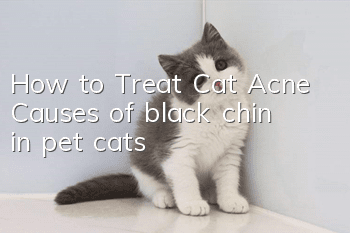
Sometimes we suffer from acne on our faces, which causes discomfort. In fact, it’s not just us. Cats can also develop acne, commonly known as black chins. Most of the causes of acne in cats are folliculitis, which is actually a kind of skin disease. The most common one is bacterial infection. To treat acne in cats, you must find out the cause and apply the right medicine.
1. Causes of black chin in cats
Generally speaking, a cat’s black chin is likely to be caused by folliculitis. Folliculitis is a general term and may be caused by various bacteria or fungi. The disease must be determined before taking medication. Before solving these problems, it is best to take the cat to the hospital for examination to determine the cause. If it is caused by folliculitis, you need to prescribe the right medicine.
2. How to treat cat acne
Feline acne is a specific disease of hair follicle keratinization, forming asymptomatic blackheads on the mandible, lower lip and upper lip. If secondary bacterial infection occurs in the injured area, papules, pustules, furuncles, and cellulitis can form. In severe cases, infected skin can become edematous, thickened, cystic, and scarred.
1. Use appropriate systemic antibiotics for at least 2-3 weeks to treat any secondary bacterial infection.
2. Cut off the hair in the injured area, apply warm water and hot compress, and use human acne pads or shampoo containing benzoyl peroxide, sulfur salicylic acid or ethyl lactate to cleanse, once every 1-2 days. Until recovery. Treatment is then maintained as needed.
3. Topical drugs that are effective and used every 1-3 days or as needed to maintain control include: mupirocin ointment or cream, 2.5% benzoyl peroxide cream, 0.01-0.025% tretinoin Cream or lotion, 0.75% metronidazole ointment, topical medications containing clindamycin, erythromycin, or tetracycline.
4. For refractory cases, systemic application of isotretinoin may be effective. 2mg/kg or 10mg once PO, with an interval of 24 hours, until recovery (nearly 30 days), then maintain control as needed, with the same dose, with an interval of 2-3 days.
5. After the disease is cured, life-long symptomatic treatment is necessary to control it. The disease is purely a cosmetic problem and does not affect the animal's quality of life unless secondary infection occurs.
Cat acne usually appears around the chin and face. If not treated in time, it is likely to cause inflammation. Especially in hot summer, when cats are covered with hair, it is easier for the disease to spread. Therefore, when cats are found to have acne, active treatment and medication should be taken. .
Related articles


Random articles
- What should I do if my female cat loses her appetite after giving birth?
- What should I pay attention to when my cat has hairy cheeks?
- Why does the kitten keep eating with its bulging belly?
- What should kittens eat if they don’t have teeth? Cat Feeding!
- Will a cat's personality change after being neutered?
- What are the advantages and disadvantages of owning a cat?
- Does it mean there are bugs when a kitten is itching?
- How to remove cat lice? Don’t you know yet?
- Is catnip harmful to cats? What will happen if a cat smokes catnip?
- Things to note when breeding British Shorthair