
Prevention and treatment of canine parvovirus disease
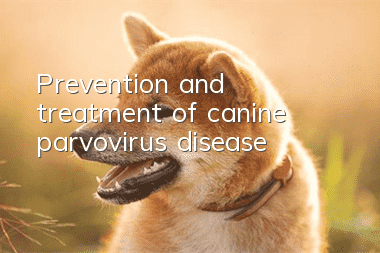
Prevention of canine parvovirus disease:
1. For unvaccinated dogs, it is necessary to avoid walking outside, and then clean and disinfect the environment, especially The dog’s activity area, the pet owner’s hands and the soles of shoes, etc.
2. Disinfect the dog regularly. Try not to bathe the dog or take the dog out to interact with other dogs before the young dog has been vaccinated. Take the dog out normally. Don't let him sniff other dogs' waste.
3. Dogs should be dewormed on time. It is recommended that external deworming be done separately from vaccination, and not at the same time.
Treatment of canine parvovirus disease:
1. Canine parvovirus monoclonal antibodies or hyperimmune serum, interferon, etc. can be used. If dehydration is severe, normal rehydration can be performed.
2. Anti-inflammatory drugs are also required. Generally, different anti-inflammatory drugs are selected according to the age of the dog. Young dogs generally choose drugs that are less toxic to the liver and kidneys, such as cephalosporins.
3. Once a disease occurs in a dog, it is extremely difficult to completely eliminate it. The disease is mainly contracted through direct or indirect contact.
Related articles

Random articles
- Can dogs eat cabbage?
- Why does a puppy sneeze?
- What does it mean when a dog is always grunting?
- Can dogs still be trained when they are older? The best time to train dogs!
- Why does the dog poop white?
- How to tell if a Labrador has canine distemper?
- How to potty train a Chow Chow
- How to train a dog to lie down?
- How to treat mites on dogs?
- Does the dog have to be dried after taking a bath?