

Why does a cat vomit white liquid?
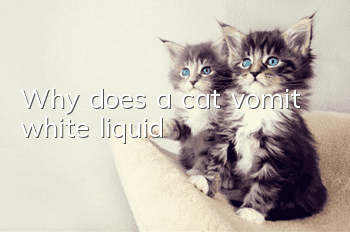
Cats vomiting white liquid may be caused by poisoning, foreign body obstruction, hair ball syndrome, gastroenteritis, feline distemper and other reasons. Because the treatment plans for different causes are not exactly the same, when a cat is found to be vomiting white liquid, it is recommended that the owner take the cat to the pet hospital for relevant disease screening in time, and then take appropriate treatment measures according to the examination results to avoid delaying the condition. .
1. Poisoning
If the cat is vomiting white liquid and is also accompanied by listlessness, loss of appetite, convulsions, salivation, conjunctival cyanosis, etc., it is likely to be poisoned. This situation is quite serious. It is recommended that the owner consult a pet doctor in time, first perform emergency vomiting treatment on the cat, and then immediately send the cat to a pet hospital for gastric lavage, enema, infusion, etc.
2. Foreign body blockage
If the cat accidentally eats some foreign bodies and gets stuck in the throat, the cat may have difficulty swallowing and may spit out white mucus. At this time, it is recommended that the owner take the cat to the pet hospital for a x-ray examination to determine the nature of the foreign body. If necessary, surgery may be required to remove the foreign body.
3. Hairball syndrome
If there are hairs in the white liquid that the cat vomits, it may be that the cat is vomiting hairballs. If there are not many, the owner can feed the cat hair removal cream to help the cat expel hair balls from the body. If the cat vomits hair balls frequently, is in a poor mental state, and has no appetite, the owner needs to take the cat to the pet hospital for examination and treatment in time.
4. Gastroenteritis
If a cat suffers from gastroenteritis, it will have symptoms of vomiting. In severe cases, it will vomit white viscous liquid, and it will also be accompanied by mental illness. Symptoms include depression, loss of appetite, diarrhea, and abdominal pain. Because there are many causes of cat gastroenteritis, such as eating spoiled food, weather changes, sudden food changes, etc., it is recommended that owners take their cats to the pet hospital for examination in time after discovering the above symptoms, and then provide specific treatment according to the cause. .
5. Cat Distemper
If in addition to vomiting, the cat is also accompanied by symptoms such as diarrhea, blood in the stool, lethargy, abnormal body temperature, etc., it should be considered that it may be suffering from Feline Distemper. . Because cat distemper is a highly infectious disease, once the owner discovers something abnormal in the cat, he or she needs to take the cat to the pet hospital for treatment immediately, and at the same time thoroughly disinfect the surrounding environment. The sooner the cat is treated, the higher the chance of cure.
Related articles
Random articles
- Are Scottish Fold cats easy to raise?
- What is the personality of Pomera cat?
- How soon after birth can a kitten be picked up?
- Can a female cat with feline nasal congestion pass it on to her kittens?
- How to care for a cat after falling from a building
- Is it really okay for cats to go to the toilet on the toilet? Is this reliable?
- Are there blue ragdoll cats?
- How to raise a Siamese cat? How to help a Siamese cat lose weight
- Five reasons why orange cats keep meowing, poop collectors should pay attention!
- How to solve the problem of cats peeing indiscriminately? Please accept this guide!