
What causes cat hair allergy?
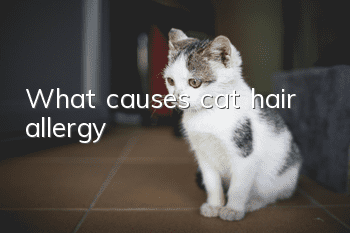
It is not cat hair that causes cat hair allergies in humans, but a tiny protein that is generally found in cats’ saliva, urine or shed dander. Some people have a relatively sensitive immune system. After accidentally coming into contact with cat saliva and shed dander, their own immune system will mistakenly judge these things as dangerous "intruders", and subsequently produce a stress response.
This tiny protein is called Fel D1. It is a glycoprotein found in the sebaceous glands under the cat's skin and is present in low levels in the cat's saliva and urine. When a cat licks its fur, Fel D1 in the saliva sticks to the cat's skin and hair. Fel D1 in saliva combines with Fel D1 in sebaceous glands to create a "double whammy" for allergy sufferers.
When challenged by an allergen, a person's immune system recognizes the allergen as an invader and produces an antibody called immunoglobulin E (AKA IgE). Thereafter, when exposed to Fel D1 again, the immune system is primed and then releases a chemical called histamine. Histamine is produced from histidine through the action of decarboxylase. Many tissues, especially mast cells in the skin, lungs, and intestinal mucosa, contain large amounts of histamine. Histamine is released when tissue is damaged or when inflammation and allergic reactions occur.
Related articles
Random articles
- How should you treat the wound after being bitten by a cat? Look over here!
- Why does a cat vomit yellow foam?
- Do healthy cats have wet noses? Cat health standards
- What should I do if my cat has fleas at home? How to deal with fleas on cats?
- I accidentally fed my cat dog food for a month
- Cats don’t like to drink water. How to make them drink water actively?
- Reasons why folded-eared cats have erect ears
- Tips for taking photos of cats: "Ten cat photography techniques"
- Symptoms and prevention methods of heatstroke in cats
- When do kittens grow teeth?