

Why are native dogs not susceptible to parvovirus?
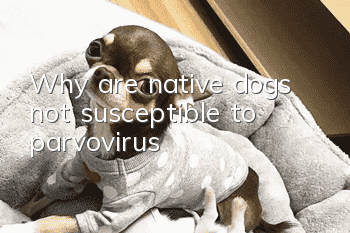
In fact, native dogs also get small ones. Because native dogs eat a lot of miscellaneous food and have strong immunity, the probability of native dogs suffering from parvovirus is relatively small, so everyone thinks that native dogs will not suffer from parvovirus. In addition, native dogs are suitable for the local environment and have strong disease resistance. Breed dogs generally pursue breed characteristics and pure bloodlines, and there are cases of inbreeding. Most of them have their own genetic defects and low immunity. Secondly, breed dogs are generally companion dogs, and their breeding environments are relatively concentrated, usually in urban areas. Parvovirus is an infectious disease, and the dense breeding environment also increases the chance of infection.
Minor symptoms:
1. Enteritis type. The incubation period of enteritis-type parvovirus is relatively long, about 4 to 14 days. The symptoms of dogs in the early stages of the disease are similar to those of a cold, usually including lack of energy and loss of appetite, accompanied by vomiting and fever. It can even reach over 40 degrees. In the early stage, the vomitus is usually food, but after a day, severe diarrhea will occur. At this time, the feces will be relatively thin. As the condition becomes more serious, the dog's feces will turn into coffee color or tomato color, and the smell will change. Very heavy.
2. Myocarditis type. Parvovirus and myocarditis-type parvovirus usually occur in puppies. The common symptom is diarrhea, but they will suddenly become weak and even groan. In severe cases, shortness of breath and death may occur within a few hours.
Related articles
Random articles
- How to deal with traumatic infection and suppuration in dogs
- Can dog skin diseases be transmitted to humans? How to prevent them?
- Symptoms of mastitis in dogs
- Should dogs be dewormed or vaccinated first?
- How should a Chow Chow be groomed? What should you pay attention to when dressing up?
- How to calculate the best breeding time for dogs?
- What to do if your golden retriever is itchy?
- How to correctly choose a purebred Chow Chow
- How to train a dog not to guard its food when eating
- The Differences and Characteristics of Huskies and Alaskans