
Cat Gingivitis Symptoms
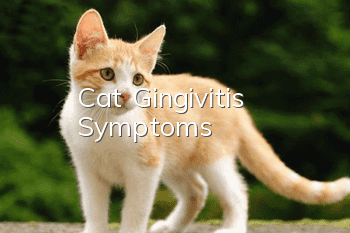
Feline gingivitis usually shows symptoms such as red and swollen gums, strong oral odor, cloudy saliva, difficulty chewing, and loss of appetite. Some cats may also experience fever and weight loss. And in this case, cats will generally prefer to eat softer foods and refuse to eat hard foods. If a sick cat's teeth or gums are very painful, the cat is likely to stop eating and refuse to eat.
Treatment methods for cat gingivitis:
1. It is recommended to take oral anti-inflammatory drugs, and spray anti-inflammatory oral spray on the affected area regularly every day. Generally, the medication will last about a week. There is improvement.
2. It is recommended to rinse the cat’s mouth frequently, apply some dental gel or oral spray, and pay attention to oral hygiene.
3. If there is dental calculus, it is recommended to perform tooth cleaning. If the situation is particularly serious and the tooth root has decayed, it is recommended to extract the tooth completely.
Related articles

Random articles
- Can kitten diarrhea heal on its own?
- How to correct a cat that scratches the ground next to its food bowl
- How to identify a false pregnancy in a female cat
- What to do if Birman cat has urinary stones. How to treat Birman cat to have urinary stones.
- What are the benefits of giving probiotics to cats?
- Why does my cat’s butt bleed?
- How to remove black lumps on cat's nose?
- Why do American Bobtail cats need to be neutered?
- Are Ragdoll cats suitable for novice owners? Things to note for newbies raising Ragdoll cats!
- Which pet attracts fleas the most? Take you through the life of a flea!