
Consequences of depression in cats
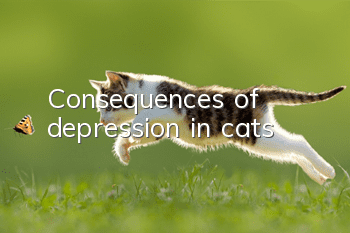
Consequences of depression in cats
1. Sleeping for too long. The average cat sleeps an average of 16 hours a day.
2. Reduced interest and listlessness. If your cat is in a particularly bad mood, it won’t eat or drink, and it won’t be interested in playing with toys.
3. Make some strange sounds. Some cats may cry softly or bleat, which sounds sad.
4. Excessive licking can cause hair loss. Depression may cause cats to lick themselves excessively, causing hair loss.
Solutions to cat depression
1. First, send the cat to the pet hospital in time. The veterinarians at the pet hospital will have professional means to effectively determine the degree of depression.
2. Enough companionship and attention. The owner should accompany the cat more, play interactive games, and hold the cat more. Make sure you give your cat all the love it needs to feel happy and safe.
3. Spend more time in the sun for phototherapy. If your cat's depression is related to seasonal changes, light therapy may help curb winter depression.
4. Depressed cats will be extremely sensitive to the things and people around them, so at this time, the owner should be careful not to frighten the cat, or even give it a bath.
5. If the cat’s condition is more serious, you need to consult a pet doctor in time and give the cat anxiety-relieving drugs under the guidance of the pet doctor.
Related articles
Random articles
- What is the range of a cat’s sense of smell?
- How to judge whether a kitten is healthy? Preliminary method to judge a cat’s health
- What to do if your kitten sneezes and has a runny nose
- What are the stress reactions of cats?
- Will cats get bored if they only eat one kind of cat food?
- Spring is here, beware of cats “crying for spring”!
- How to raise Japanese Bobtail Cats How to raise Japanese Bobtail Cats
- What nutrients do Ragdoll cats eat? What can’t Ragdoll cats eat?
- How long does it take to observe if a cat bites you?
- What's going on when a cat poops and vomits?