

What to do if your Teddy dog is allergic to vaccine
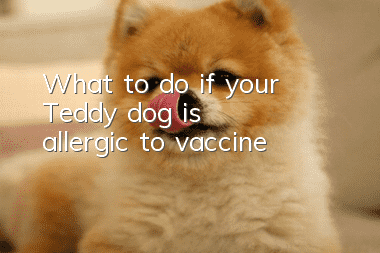
Generally, allergic dogs usually develop symptoms about 10 minutes after injection. The main symptoms are depression, dull eyes, slow reaction, weak limbs, weakness in movement, and deep and slow breathing. For dogs with general allergies, you only need to let them rest well. Generally, no medication is needed, and they can return to normal after 1 hour.
Dogs with severe allergies usually develop symptoms within 2 minutes after injection. The main symptoms include increased body temperature, accelerated heartbeat, rapid breathing, listlessness, dull eyes, disheveled coat, cold nose, and soft neck. The limbs are unstable and in a crawling and lying position. For dogs with severe allergies, desensitization therapy should be carried out as soon as possible, and the doctor will inject desensitization liquid into the dog.
Causes of allergic reactions to dog vaccinations:
1. Dogs are allergic and must undergo a health examination before injecting vaccines into dogs.
2. If the dog is not in a good mental state, you can wait until the dog calms down before giving the injection.
3. There is a latent virus infection in the dog's body. It should be treated actively first, and then vaccinated after the condition recovers.
4. If there is a problem with the vaccine, you must choose a vaccine with a national approval number, vaccine business qualifications, and a cold chain guarantee of 2-8°C.
Related articles

Random articles
- How many meals should a dog eat a day?
- What are the relevant measures to prevent canine distemper?
- Why does the dog keep scratching its ears and shaking its head?
- Can golden retriever puppies eat raw potatoes?
- Puppy twitches and foams at the mouth
- Purebred Chihuahua purchasing standards and prices
- Early symptoms of diabetes in dogs
- Why do dogs also experience gastrointestinal discomfort when the temperature is high in summer?
- What food should golden retrievers eat after giving birth?
- How to feed Remigo dog food? What should you pay attention to when feeding it?