
What are the symptoms of cat stress reaction?
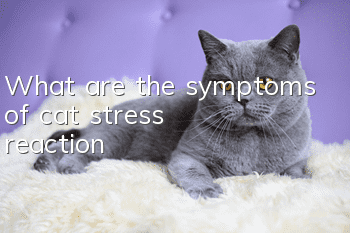
Symptoms of cat stress reaction:
1. Mild stress reaction manifests as loss of appetite, depression, soft stools, and disinclination to exercise.
2. If the stress reaction is severe, symptoms such as loss of appetite, lethargy, reluctance to walk, fever, loose stools, and vomiting will usually occur.
3. The stress response can also greatly reduce the cat’s immunity, leading to a decrease in resistance, which can lead to other diseases, such as acute gastroenteritis, feline panleukopenia, feline coronavirus infection, and infection. peritonitis, etc.
Solutions to cat stress response:
1. Provide a quiet environment. You can put the cat in a relatively small and dark box to keep it quiet and not disturb it. It allows the cat to rest and recover on its own.
2. You can take the items that the cat used before to the new home, which can give the cat a certain sense of familiarity and slowly adapt to it.
3. You can put some catnip and pheromones in the room to relieve the cat’s anxiety.
4. If the cat has symptoms such as vomiting and diarrhea, you can add an appropriate amount of probiotics to the cat’s food to regulate the gastrointestinal environment.
Related articles
Random articles
- How to toilet train a one-month-old kitten? Tips for potty training kittens
- How to solve the problem of cats not burying feces?
- Can cat grass be eaten every day?
- Cat has a lump in its belly
- How can I keep the cat from coming to the bed?
- Do cats eat less in summer? Why is the cat not eating enough?
- Why does the cat follow you?
- How to freeze-dry cats? Frequently asked questions about cat freeze-drying
- What are the symptoms of constipation in cats?
- What to do if cats get fleas on people?