
How to train a well-educated butterfly dog
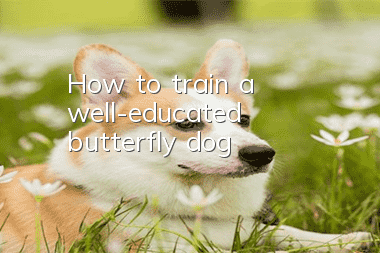
Papillon dogs are loved by parents because they like outdoor sports, are bold and flexible, and are enthusiastic and docile towards their owners. However, sometimes when its advantages turn into disadvantages, you will find that the dog’s excessive liveliness can make people uncomfortable. It's annoying, so how to train a qualified butterfly dog is also a concern of parents. A butterfly dog that can reflect the level of parents is an educated butterfly dog, and will make people like it more.
How can you make your Papillon show a respectable demeanor? Of course it comes from daily training, but you must at least have an evaluation of your Papillon from the following aspects, because this is also what others say about you. The aspect of the Papillon that creates the initial impression.
First, the Papillon Dog can obey your every command very obediently and accurately. These commands should at least include "sit down", "get down", "stand still", "sit still", "come here", "go play by yourself", etc.
Second, the Papillon should show enough patience and kindness to your guests and strangers, of course, this does not include intruders. When you are talking to others, your Papillon should sit quietly at your feet or lie at your feet until the conversation is over. Rather than walking around impatiently or even trying to pull you away. The Papillon should not appear restless when meeting strangers, and should be willing to accept touch from strangers at the owner's direction.
Third, when meeting other Papillon Dogs, your Papillon Dog should be able to get along with them friendly and calmly, instead of showing a strong desire to attack or cowering in fear like some Papillon Dogs do.
Fourth, when taking a butterfly dog to the street, a well-trained butterfly dog should be as calm and calm as it is in your garden or downstairs, and always be polite to the surrounding people. curiosity.
Fifth, your Papillon should not overreact to emergencies around him. It can show curiosity and desire to explore; but it cannot appear nervous, fearful or reflexively aggressive.
Related articles
Random articles
- What should I do if my Clumber Spaniel vomits after eating too much?
- Why does my dog's farts smell so bad?
- Early symptoms of gastric torsion in dogs
- Why does a dog have a fishy smell in his mouth?
- What are the symptoms of ear disease in English Foxhounds?
- How much does a Portuguese Water Dog cost? How big can a Portuguese Water Dog grow | IQ
- Pet Street Classroom | The best way to train your pet dog
- How to rescue a newborn dog that is not breathing
- What's the reason for the Papillon's legs becoming a little O-shaped recently?
- How does Schnauzer lose weight?