

How to treat feline rhinitis
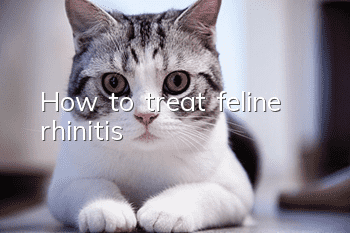
Treatment of feline rhinitis
1. For chronic feline rhinitis, it is recommended to flush the cat’s nasal cavity with saline first. During the flushing process, the cat’s head needs to be lowered, otherwise the cat will choke.
2. Use pet-specific anti-inflammatory drugs for cats. Just drop the anti-inflammatory drugs directly into the cat’s nasal cavity.
3. Keep the environment hygienic and allow cats to rest peacefully.
4. Observe the cat’s condition. If the cat's condition becomes more serious, it needs to be sent to the hospital for treatment immediately.
The causes of feline rhinitis
1. Stimulated by the cold winter air, the cat’s nasal mucosa is prone to congestion and exudation, so the bacteria that are usually present in the nasal cavity take the opportunity to develop and multiply. Cause inflammation of mucous membranes.
2. When a cat inhales ammonia, chlorine, smoke, dust, pollen, insects, etc., it directly irritates the nasal mucosa and can also cause nose inflammation.
3. Cat rhinitis may also be secondary to the spread of certain infectious diseases or inflammation of adjacent organs.
Related articles

Random articles
- What should American shorthair cats pay attention to when pregnant?
- While preventing heat stroke in cats, it is also important to prevent air conditioning disease!
- What should I do if my kitten doesn’t eat cat food for two months?
- How to tell if a cat has flat chest
- Is gypsophila poisonous to cats?
- A sick cat behaves before it dies
- What does it mean when a cat meows like a child?
- How much does it cost to neuter a female cat? What should you pay attention to after neutering a female cat?
- Taking stock of the best-tempered cats in history, you can pet your cat any way you want!
- What will happen if a cat is hungry?