

Can excessive inflammation in cats cause vomiting?
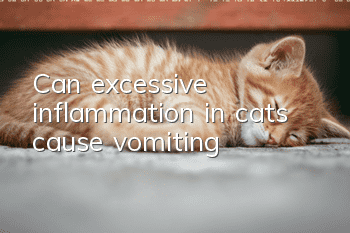
Usually excessive inflammation in cats will cause vomiting. Excessive inflammation in cats can also lead to symptoms such as depression, decreased appetite, lethargy, elevated body temperature, and diarrhea. It is recommended that cat owners pay close attention to the cat's condition. If the cat has the above symptoms, they need to take the cat to a nearby hospital for examination in time, check the blood routine index, determine the specific cause of the disease based on the cat's symptoms, and treat it by feeding anti-inflammatory drugs or infusion. , while using medications to treat the underlying disease. During the cat's recovery period, it is necessary to provide nutritious food and take measures to keep it warm.
What to do if cat inflammation is too high:
1. First of all, pay attention to the cat’s condition. If the cat appears depressed, has reduced appetite, lethargy, elevated body temperature, diarrhea, etc. If you notice any symptoms, you should pay attention to them and take your cat to the hospital for examination and treatment in time.
2. Cooperate with the recommendations given by the hospital, take the medicine on time, and do not take it lightly to avoid adverse consequences.
3. During the cat’s recovery period, pay attention to a light diet, comfort the cat’s tendencies, and accompany the cat.
Related articles


Random articles
- What does it mean when a cat meows while looking at you?
- Treatment of jaundice hepatitis in cats, treatment principles of feline hepatitis!
- How to clean scabs from cat eye feces
- Can I bathe a two-month-old kitten if it smells bad?
- What are the reasons why blue cats shed a lot of hair?
- Can cats eat boiled shrimp every day?
- How to treat ear mites in cats? Officers must persist!
- How many times a day is it normal for a cat to defecate?
- How often should pet cats take deworming medicine?
- Can newborn kittens drink soy milk powder?