

What should I do if my foster cat doesn’t eat?
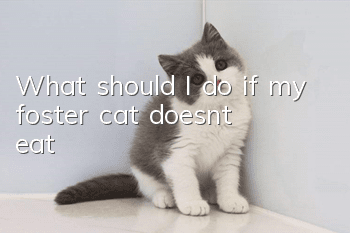
The following methods can be used to solve the problem of foster cats not eating:
1. If it is a stress reaction caused by a change of environment, or an irritation reaction caused by a sudden change of environment, It will cause loss of appetite, increased blood pressure, and rapid heartbeat in cats. The owner can give the cat something that the cat has used before to reduce the cat’s stress response.
2. If the cat has just been vaccinated in the hospital and is nervous and scared, you can ask the person the cat is most familiar with to comfort it more, preferably a hug.
3. If the cat’s gastrointestinal condition is not very good and does not want to eat, you need to give the cat some probiotics to regulate the gastrointestinal condition. If the cat refuses to eat, it is recommended to take the cat to the hospital for examination.
4. If the food at the new owner’s home is not to your liking, you can ask the original cat about its dietary preferences and feed the cat the food it likes. It is best to give your cat a transition period from the original food to the new food.
5. If the cat is too full and does not want to eat, you can stop feeding the cat temporarily and wait until the cat is hungry before feeding it.
Related articles
Random articles
- Management and health care of cats with anxiety and depression, a must-read for novice cat owners!
- What are the necessary common medicines for raising pet cats?
- What to do if a cat is picky about food How to correct the bad habit of picky eating
- Why can’t cats eat salt?
- How to rub a cat’s belly to help defecate
- What should I do if my cat is injured and loses a piece of skin?
- What can I eat to increase a cat’s resistance?
- What does it mean when a cat rubs its tail against someone?
- How to understand the inner state of a cat? Interpret what the cat wants to express!
- Why does my cat's breath smell fishy?