
Symptoms and treatment of stomatitis in cats
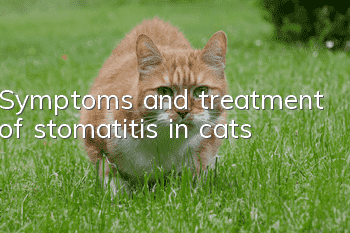
Symptoms of stomatitis in cats:
1. When cats have stomatitis, they will have drooling, bad breath, difficulty chewing, oral ulcers, listlessness, and decreased appetite. If the cat has more than one of the above symptoms, the cat may have stomatitis.
2. When a cat suffers from stomatitis, there will be slight oral ulcers in the early stage, a red line at the junction of the teeth and gums, and drooling.
3. After the stomatitis worsens, the cat’s oral ulcer surface will increase, and the gums at the junction of the teeth and gums will have obvious ulceration, proliferation, redness and swelling. There may also be an inability to eat and excessive drooling.
4. After a cat suffers from stomatitis, it will be more difficult to eat, or even unable to eat. Eventually, the cat’s mental state will decline.
Methods for treating stomatitis in cats:
1. The general method of treating stomatitis in cats is to extract the problematic teeth, and continue to use drug treatment after the teeth are extracted. However, after tooth extraction, the owner needs to take patient care to avoid recurrence of stomatitis.
2. Stomatitis in some cats can also be treated with drugs, such as antibiotics, steroids and other drugs.
3. Depending on the different symptoms of each cat, some cats can also try to improve the stomatitis problem through diet, such as eating some soft food.
Related articles
Random articles
- How to get rid of fleas on kittens?
- How old can a cat take hair removal cream? How often should cats use hair removal cream?
- Signs that a female cat doesn’t want to take care of her babies
- What vegetables do cats eat?
- What should you pay attention to when raising Burmese cats?
- What should I do if a hard lump bulges in the wound of a female cat after being neutered?
- Cat Injury Treatment First Aid Care Instructions
- Can cats eat cat food soaked in boiling water?
- What should Siamese cats eat if they have bad breath?
- Cat's drooling and runny nose may be caused by a cold