

Bloodhound training tips
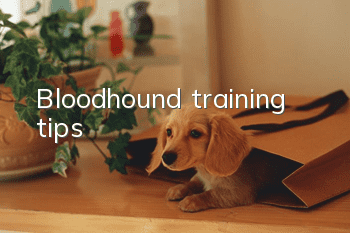
Training tips for bloodhounds:
1. Determine the training items. First determine the items you want to train your bloodhound, especially the basic physical subjects.
2. Step by step. Bloodhounds are more excited and active, so the principle of gradual progress must be mastered during training.
3. One action and one password. During training, you must give the dog a command for each action. For example, when walking, tell the bloodhound to lean on the left side parallel to your left leg and give it a command of "heel", "fast", and "slow".
4. Give rewards for corrective actions. To correct the bad habits of the bloodhound, for example, when the bloodhound is lying down or sitting on the ground with its buttocks crooked, order it to do it again or straighten it with your hands, and reward it immediately after the action is corrected.
5. Mild attitude. When training puppies with encouragement or coercion, the attitude must be gentle and no kicking or hitting will be allowed.
How to raise bloodhounds
1. Diet: Bloodhounds need high-quality dog food with relatively high protein and fat content to meet their high energy needs. consumption needs. Appropriate dog food should be selected based on your dog's age, weight, activity level, and health.
2. Exercise and training: Bloodhounds need adequate exercise and training to maintain health and vitality. Aim for at least an hour of walking and running every day. Additionally, the Bloodhound is a very intelligent dog that requires regular training and mental play to avoid it becoming bored and causing behavioral problems.
3. Socialization: Bloodhounds need to be socialized with people and other dogs to help them build trust and friendship. Socialization can include dog parks, training classes, walks, and other activities.
4. Health: Bloodhounds need regular veterinary examinations and vaccinations to stay healthy. In addition, regular grooming, ear cleaning, and nail clipping are also important.
5. Safety: Bloodhound is a hound breed that is easily induced by scent to chase prey. Therefore, it is necessary to ensure its safety during outdoor activities, such as using leashes and identification tags to avoid letting dogs Individual activities over which it has no control.
Related articles

Random articles
- How is the Tibetan Mastiff trained? Tibetan Mastiff training methods!
- Judgment criteria and treatment principles for small dogs
- How to treat paralysis in dogs
- What should you pay attention to when shaving your poodle? Tips for shaving your poodle!
- Things to note when raising a Teddy dog
- Understand these benefits of neutering dogs so that people will no longer misunderstand it as "abuse"
- What causes pregnancy bleeding in dogs?
- Several points to note when choosing a Yorkshire puppy
- Can dogs drink soy milk?
- There is yellow pus in the urethral opening of the dog