
Symptoms and prevention of heartworm disease, an endoparasitic disease in pet cats
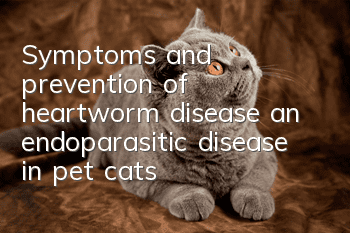
The intermediate host of heartworm disease in cats is mosquitoes. Some cats infected with heartworms may have no obvious clinical symptoms, only weight loss, vomiting, and loss of appetite. However, if the disease is not treated, the cat usually develops in two weeks. Will die naturally within the year.
1. Pathogens and Transmission
Although cats are not normal hosts of heartworms, they are more resistant to heartworms than dogs, and adult heartworms do not reproduce larvae in cats; however, in areas with high heartworm prevalence, if cats are infected by mosquitoes If bitten, there is still a chance that the cat will become infected.
2. Symptoms
Heartworm-infected cats usually die naturally within 2 years, sometimes traveling to the brain, spinal cord, or subcutaneous tissue. Cats infected with heartworms may have no clinical symptoms, with only weight loss, loss of appetite, and vomiting. Cats may also experience coughing, difficulty breathing, or even sudden death due to the worms blocking the pulmonary arteries.
3. Prevention
Avoid your cat being bitten by mosquitoes. If you suspect infection, please ask a veterinarian to conduct a detailed examination of your cat.
Related articles
Random articles
- What medicine should I take if my cat has sticky drool?
- How long does it take for a frightened cat to recover from paralysis of its hind legs?
- Why does a cat meow like a child crying?
- How to feed a two-month-old kitten
- How to train a cat to obey what you say? To train a cat, you must first understand the cat!
- What should I do if my cat won’t eat or drink after being neutered?
- What will happen if the cat doesn’t dry it after taking a bath?
- How to Treat Cat Ringworm in American Bobtail Cats
- Have you heard that Ragdoll cats are artificially bred species? Introduction to Ragdoll cat breeds!
- What should I do if my newborn kitten is in danger?