
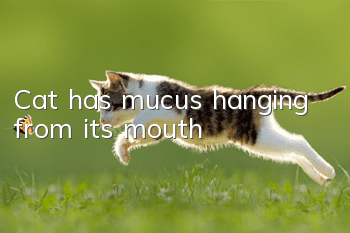
Why does a cat vomit after eating something?

Cats that vomit after eating may be caused by eating too fast, suffering from hair ball syndrome, foreign body obstruction, or gastroenteritis, pancreatitis, feline distemper virus infection and other diseases. If the cat vomits less often and its energy and appetite are not greatly affected, the owner can first deprive the cat of food and water for a period of time and then observe whether the condition has improved. However, if the cat vomits frequently and is accompanied by symptoms such as listlessness, loss of appetite, diarrhea, etc., it needs to go to the pet hospital for diagnosis and treatment as soon as possible.
1. Eating too fast
If the cat eats too fast, it will cause food to reflux, leading to vomiting. In this regard, it is recommended that the owner deprives the cat of food and water first to prevent the food from further affecting the cat’s gastrointestinal tract and causing the cat to vomit again. After the cat stops vomiting, the owner can give the cat a small amount of clean drinking water and observe the cat’s reaction. If the cat’s mental appetite is relatively normal, the owner can give the cat a small amount of canned gastrointestinal prescription. In addition, the owner can then feed the cat a small amount of food or use a food divider to feed the cat, which can effectively alleviate this situation.
2. Suffering from hair ball disease
Since cats have the habit of grooming their hair, doing so for a long time will cause hair to accumulate in the stomach. When the cat ingests food, the food will affect the hair ball, which will cause the cat to vomit after eating. Therefore, the owner can check the cat's vomit. If there are hairs in the vomit, it is probably vomiting hair balls. At this time, it is recommended that the owner feed the cat hair removal cream or cat grass to help the cat excrete it from the body. hair ball.
3. Foreign body blockage
If a cat accidentally eats foreign objects such as plastic bags, wool, hair, toys, etc., these foreign objects may block its intestinal tract, causing the food it eats to be unable to be digested, leading to vomiting, abdominal pain, constipation and other uncomfortable symptoms. Therefore, if the owner suspects that the cat has ingested a foreign object, it is recommended that the owner take the cat to the pet hospital for a x-ray examination to confirm the location and size of the foreign object, and then choose appropriate treatment methods for treatment.
4. Causes of disease
If the cat vomits very frequently and is accompanied by other abnormal symptoms, such as listlessness, loss of appetite, diarrhea, fever, etc., it is most likely due to gastroenteritis, pancreatitis, feline distemper virus infection and other diseases. caused. At this time, it is recommended that the owner take the cat to the pet hospital for examination as soon as possible to find out what is the specific cause, and then carry out targeted treatment.
Related articles
Random articles
- What do cats need to prepare before surgery? Be sure to remember these!
- What should a Ragdoll cat eat during pregnancy?
- What are the characteristics of Siamese cat pregnancy?
- Things to note when deworming cats
- The manifestations and symptoms of ear mites in cats, understand these knowledge and deal with them easily!
- How to prevent cats from having heatstroke in summer It is urgent to prevent heatstroke in summer
- Should a 4-month-old cat eat adult cat food or kitten food?
- How to prevent your cat from accidentally running out
- Reasons why cats poop randomly
- What to do if a Ragdoll cat loses hair. Reasons why a Ragdoll cat loses hair.