

What are the main symptoms of feline rhinobronchiolitis in domestic pet cats?
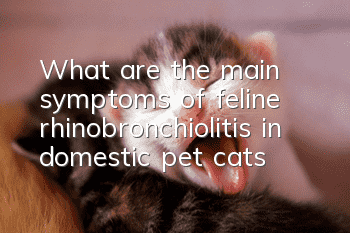
Symptoms of rhinobronchiolitis in cats at home include frequent sneezing, increased eye secretions, watery eyes, red conjunctiva, possible increased fluid in the nasal cavity, loss of appetite, elevated body temperature, and slight decrease in appetite and spirit. Feline rhinotracheitis is an acute infectious disease that causes a very strong upper respiratory tract infection in cats, also known as infectious rhinotracheitis.
Feline nasal congestion is caused by feline herpes virus infection. Generally speaking, it is more likely to occur in households with many cats and is contagious. Under natural conditions, it is generally transmitted through the respiratory tract and digestive tract. For mild cat nasal congestion, cats can eat lysine type A to inhibit the virus. Lysine contains high-purity L-lysine, which can effectively inhibit virus synthesis.
Related articles

Random articles
- A piece of cat's skin is hairless and white meat is exposed
- Why do cats often lick their fur? What are the reasons?
- Do pet cats have bacterial infections?
- How to correct a biting cat? Corrective training for biting cats
- Is it normal for cats to bleed from their sterilization wounds?
- What should I do if my cat sheds hair frequently?
- What does it mean when a cat breathes?
- What causes cats to poop and urinate randomly?
- What should I do if my cat keeps peeing everywhere?
- Why does my cat have brown discharge from his eyes?