

What are the benefits of raising a dog? Dog owners may live longer
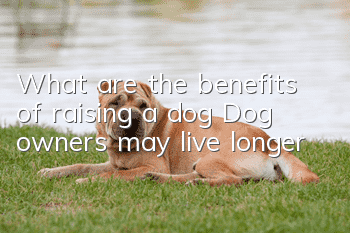
Owning a dog reduces the risk of disease
Swedish researchers followed 3.4 million Swedes for 12 years, none of whom started out with heart disease. Some of them have dogs and some of them don't. Over 12 years of follow-up, the scientists recorded how many people died. The scientists then calculated the risk of death by adjusting for relevant factors such as age and gender. It turns out that dog owners have a 20% lower risk of death compared to people who don't own dogs. For dog owners who lived alone, the benefits were especially clear: not only was the risk of death reduced by 33%, but the risk of cardiovascular disease was also reduced by 8%.
Research shows that living with pets has certain health benefits. For example, people who own dogs are more active and have lower blood pressure. A study published in the journal Scientific Reports adds to the growing body of research on cardiovascular disease. Tove Fore, associate professor of epidemiology at Uppsala University, said: "Keeping a dog can be a very effective intervention. It can be a good way for some people who feel lonely or have unhealthy lifestyles. help".
To conduct this study, the researchers obtained information on these Swedish residents from the government, including information on birth time, gender, age, health, marital status, etc. Since 2001, Swedish dog owners have had to register their dogs using ear tattoos or subcutaneous microchips, so the researchers were also able to examine which of the 3.4 million people owned dogs. Dog owners were then compared to those without pets: Dog owners were found to have a lower risk of dying from cardiovascular disease or other causes after 12 years.
The exact reason behind the results is unclear: It could be that dog owners live longer because their dogs make them more active or less stressed. People who live alone may benefit more because they are the only ones caring for the dog, so they are forced to take the dog for walks. Single people may also get stronger emotional support from dogs because they don't live with a partner or have children.
Of course, the study also has obvious limitations: Even when the researchers adjusted their estimates for factors such as income and education, they still didn't know much about their subjects. For example, dog owners have a lower risk of cardiovascular disease, possibly because they are healthier to begin with. Plus, owning a dog is time-consuming and expensive, and if you're dealing with a major health issue and living on your own, maybe you'll think twice about doing so. Another point is that the research subjects are all from Sweden, and the research results in different countries may be different.
Related articles


Random articles
- Why do dogs have dystocia? What are the factors that cause dystocia in dogs?
- Why can’t dogs eat chocolate? What is the toxic dose of chocolate for dogs?
- What causes otitis externa? What are the symptoms of otitis externa?
- After raising a dog, I am most afraid of meeting these kinds of people
- What should I do if my dog has diarrhea after taking deworming pills? What should I do if my dog has diarrhea after taking deworming pills?
- How to train a dog to sit and lie down? Are you still unable to teach the correct order?
- Tips for training your dog 10 mental preparations for training your dog
- How to train a dog to recognize things? Can your dog help you fetch things?
- My dog still has fleas after being dewormed. Is it because the deworming method is wrong or something is wrong?
- The dog's saliva is very sticky. The dog suddenly drools thick saliva.