

What diseases are dogs likely to get after giving birth? These two major symptoms should be prevented in advance
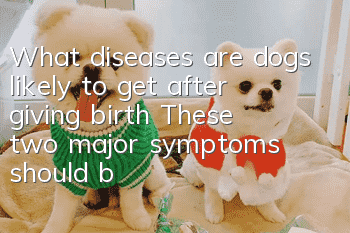
Dogs are prone to mastitis after giving birth
The so-called mastitis refers to one or more mammary glands being infected by bacteria, and the cause of the infection can be caused by Ascending nipple infection, or infection caused by trauma to the breast, mastitis infection, if not properly treated, may cause fatal systemic infection.
Symptoms:
Dogs suffering from mastitis usually have a loss of appetite, poor energy, and neglect to take care of the puppies. The breasts will feel hard, swollen and warm when touched with hands. Most dogs will feel pain, and pus-like or bloody fluid will flow from the nipples. In severe infections, there will be lesions such as abscesses or gangrene on the breasts, and the bitch will have fever and dehydration.
How to treat:
Send to the pet hospital for treatment immediately. The doctor will give appropriate medication according to the condition. If dehydration or systemic sepsis occurs, fluid infusion is required. In addition, the milk must be expressed several times a day until the bitch's condition is under control. Of course, during the treatment period, the female dog cannot breastfeed, so it is necessary to help the puppy find a suitable "nanny" or switch to artificial breastfeeding.
How to prevent:
(1) Keep your mind clean.
(2) Shave the hair around the breasts and pay attention to the cleaning of the breasts.
(3) Trim the puppies’ toenails to prevent scratching the mother dog’s mammary glands when drinking milk.
Dogs are prone to convulsions (Eclampsia) after giving birth
Postpartum eclampsia is caused by postpartum hypocalcemia and more commonly occurs after delivery. 1-4 weeks, especially small dogs that give birth to their first litter. Hypocalcemia will cause changes in cell membrane potential, produce spontaneous nerve impulses, and then lead to tonic and clonic contractions of skeletal muscles. This type of situation can be fatal and should not be taken carelessly.
Symptoms:
(1) The female dog will become restless and nervous.
(2) Panting, breathing becomes faster, and whining.
(3) Stiffness in walking posture and movement disorder.
(4) Muscle tremors and twitching.
(5) However, 8-12 hours after the first symptoms occur, fatal muscle stiffness and falling to the ground may occur.
It is usually accompanied by a rise in body temperature, hypoglycemia, and dilated pupils that do not respond to light.
Risk factors for postpartum hypocalcemia:
(1) Excessive calcium supplementation during pregnancy.
(2) Puppies are larger or more numerous.
(3) Nutritional deficiencies before birth.
(4) Failure to pay attention to calcium supplementation during lactation.
How to treat:
Take it to the pet hospital quickly for treatment. The doctor will give calcium to relieve the pain.Slow intravenous injection can improve hypocalcemia. If the body temperature is too high, it can be combined with physical cooling. In the future lactation period, sufficient calcium should be supplemented.
How to prevent:
(1) Prevent excessive calcium supplementation during pregnancy.
(2) Female dogs must avoid foods high in phytic acid, such as whole grains, beans and other foods.
(3) For larger puppies, additional feeding can be given to reduce the burden of lactation on the mother dog.
(4) During the lactation stage, female dogs should supplement enough calcium.
Related articles

Random articles
- What are the disadvantages to dogs if they are not neutered? Are they prone to tumors?
- How to treat roundworms in dogs? Just deworming is not enough
- Dog Physical Examination Items and Fees How to Avoid Being Scammed
- Will dogs not grow up if they don’t exercise? How important is scientific and reasonable exercise?
- What are zoonotic diseases? Popular science on common infectious diseases common to humans and dogs
- How to know if your dog has parasites? Answers to common deworming misunderstandings
- What medicine is good for dogs to take when they have a cold? Dog Cold Treatment and Care Manual
- What is dog plague? Things you don’t know about dog plague
- How to treat dogs suffering from canine distemper Home treatment methods for canine distemper
- What medicine should dogs take for hookworm disease? Hookworm disease treatment is divided into three steps