

Precautions for two-month-old Corgi Feeding standards for Corgi puppies
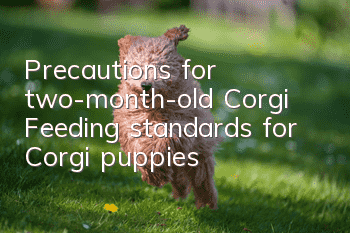
Notes on the diet of Corgis for two months
Do not change dog food within half a month after bringing the corgi home. Prepare goat milk powder and probiotics in advance. If possible, prepare special calcium tablets and trace elements. The puppy's intestines and stomach are very fragile, so they should be fed 3-4 times a day, and some probiotics can be added appropriately. Before the puppy is 4 months old, the dog food must be soaked in warm water for about 15 minutes, and then given to the corgi when it is soft.On the first night after you take the puppy home, place the dog cage not far from the bedroom. place so that the little Corgi can see and hear the owner's voice. At the same time, put one or two pieces of old and unwanted clothes in the dog cage. Place a night light in the place where the little Corgi sleeps to increase the little Corgi's sense of comfort. sense of security. Otherwise, the little corgi will bark or purr all night long.
Attention to the excretion of Corgis for two months
Prepare the dog toilet in advance, use waste newspapers to dip some of the little Corgi’s urine and put it in the dog toilet. Observe whether the little Corgi turns around and smells the ground. If it happens, it will have to go to the toilet; if it is on the toilet, be sure to pet it and reward it with small snacks to encourage the little corgi. Once you are familiar with the location of the dog toilet, do not move it easily.Health precautions for two-month corgis
Before taking the corgi out, he must receive three shots of vaccine and one shot of rabies vaccine as required. At the same time, regular deworming is required. The little Corgi can't take a bath until three days to a week after the vaccination. Be careful to avoid playing on the grass as much as possible. There are often many mosquito bites on the grass, so be especially careful of ticks.Corgi feeding experience
1. Corgi puppies should be fed with small amounts and frequent meals. Dog food for 2-month-old puppies needs to be soaked and rationed each time. Remember not to eat too much. Puppies don’t know when they are hungry or full. Because the digestive system is not fully developed, eating too much will cause diarrhea. After having diarrhea, your physical condition becomes worse and you are more likely to get sick.2. Make sure the dog has enough water to drink. Puppies are very naughty, so when buying a water basin, please choose a "buckle-type" water basin that cannot be easily knocked over.
3. Don’t give puppies food eaten by humans. Especially: sausages, leftover rice,
4. When the puppy is first brought to your home, please do not bathe it immediately. Do not wash them for at least 7-15 days. Dogs will have a stress response in a new environment and are prone to illness, allowing germs to take advantage of them.
5. Vaccinate your dog well. Do not take your dog outdoors to play or interact with other dogs before vaccination.
6. Pay more attention to whether the dog's nose is dry, whether the stool is dry and formed, whether the dog has loose stools, etc. These are all indicators of the dog's health.
Related articles

Random articles
- Basic Teddy Training Methods: Does your Teddy know how to do it?
- What is gastric torsion in dogs? What causes gastric torsion in dogs?
- What causes dogs to lose weight? What are you thinking about when dogs lose weight?
- How to train Basset Dog Daily Basset Training Guide
- A complete list of methods for training dogs. If the method is not correct, the training will be useless.
- German Shepherd Dog Training Methods German Shepherd Defense Training
- How to train a dog to sit and lie down Basic posture training for dogs
- How to use clickers to train dogs? Advanced players do this
- How to train a bulldog to be quiet and alone so you no longer have to worry about being complained when you go out
- How to train a dog that keeps barking so that it can bark or stop when you command it?