

Will dogs get skin diseases from swimming? Should I take my dog swimming?
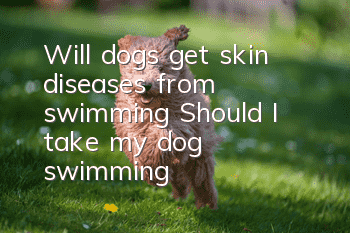
Dogs will not get skin diseases when swimming
Dogs will not get skin diseases when swimming. Those dogs that get skin diseases after swimming are because they do not pay attention to the hygiene of the swimming pool and do not clean them in time after swimming. And care, neglect some important precautions, so you will get skin diseases. Swimming can exercise your dog's body, consume energy, and correct their gait. In summer, swimming is a very suitable exercise for dogs.Precautions for dog swimming
If you want your dog to swim without skin diseases, you must pay attention to these things.1. Choose a swimming pool with frequent water changes or high fluidity. Dogs should be cleaned promptly after swimming to avoid contracting infectious diseases such as skin diseases or conjunctivitis.
2. Wash your dog’s body first after swimming. The shampoo must be rinsed thoroughly to prevent residue from causing itchiness on the dog’s skin.
3. Wipe the dog’s body with an absorbent towel and then blow dry. If the dog’s body is moist, it is prone to eczema and mold.
4. Blow dry your dog’s hair and then comb it to keep the hair dry and smooth.
Benefits of dog swimming
1. Dog swimming can strengthen muscles and prevent joints from moving.2. Normally walking on tiles can easily cause the dog to walk with an outward posture. When swimming, it is necessary to straighten the feet, which can achieve the effect of correcting the outward appearance.
3. Dogs with hip joint disease are not suitable for strenuous exercise, but swimming puts less burden on their joints and can exercise their muscles.
4. Swimming requires a lot of physical strength and can release the dog's energy. The dog will not have the energy to tear down the house after returning home.
5. Dogs interacting with other dogs in the swimming pool can help stabilize their mood.
Related articles

Random articles
- Diagnosis and treatment of dog fever
- What should I do if my pet dog is allergic to vaccines?
- How to brush your dog’s teeth? What should I do if my dog refuses to brush his teeth?
- What should I do if my dog keeps scratching and biting?
- What are the most common oral and dental diseases in dogs? Dog Oral Care!
- What are the training tips for Australian Cattle Dogs?
- Research shows that dogs raised in cities are more likely to develop social anxiety than dogs raised in rural areas
- How to train a Great Pyrenees
- Why do dogs sigh?
- What are the symptoms of dystocia in dogs, and what should I do if my dog has dystocia?