

What to do if a dog catches a cold Symptoms and treatment of a dog catching a cold
Symptoms of dogs catching cold
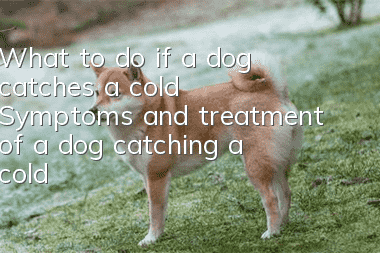
The dog has a runny nose, sneezing and coughing, and the conjunctiva is flushed and slightly swollen. Increased body temperature, depression, chills and tremors, loss of appetite or even loss of appetite. The rectal temperature can exceed 40°C, while the skin on the ears, tip of the nose and even the back feels cold, and the inner thighs and belly feel hot. Adult dogs with good physical fitness can often recover on their own after improving the breeding and insulation conditions, but puppies and thin young dogs may die from secondary pneumonia, myocarditis or other serious concurrent infections if not treated in time.It should be noted that some infectious diseases such as canine distemper, canine infectious bronchitis, etc. also have upper respiratory tract inflammation or elevated body temperature. These diseases must be distinguished based on other characteristics of these diseases. The symptoms of influenza are very similar to those of common colds, but the former is caused by a virus and is not as closely related to weather changes as the latter. The symptoms are more severe and the treatment effect is poor. Fortunately, dogs are more susceptible to influenza. few.
Treat cold and vomiting
Antipyretic and anti-inflammatory. The normal body temperature of dogs does not exceed 39°C. When the body temperature of a cold dog exceeds 40°C and chills occur, antipyretic and analgesic drugs can be used.Need to strengthen care. Move the sick dog to a warm and windproof kennel, strengthen nutrition, and feed it with easy-to-digest thin food. It should be pointed out that there are many types of cold medicines for humans with different effects. Before using them on dogs, you must read the analysis instructions carefully and prescribe the right medicine.
What should I do if my dog catches a cold?
What should I do if my dog catches a cold? Pay attention to your dog’s living environment and prevent dog diseases in advance. The dog’s activity space and supplies must be kept clean and disinfected regularly. Its residence should be kept warm in winter and well ventilated in summer. If you want to travel with your dog or take it to another place, you must be more careful about its diet, daily routine, etc. during the journey. Related articles

Random articles
- Do you know the symptoms of dog pleurisy? A must-read for dog owners!
- What are the solutions for insufficient breast milk in dogs?
- What are the general inspection items for dog physical examination? Introduction to physical examination items for dogs in pet hospitals!
- What should I do if my dog’s foot pads are injured? The correct way to treat your dog’s injured paw pads!
- What are the early symptoms of rabies in dogs? How to avoid rabies?
- Please be aware of the importance of vitamins for puppy growth
- What happens when your dog vomits? What should you do?
- Why does the dog's mouth and foot hair turn red?
- What medicine is best for dogs with diarrhea?
- What logistics company can dogs be shipped to?