
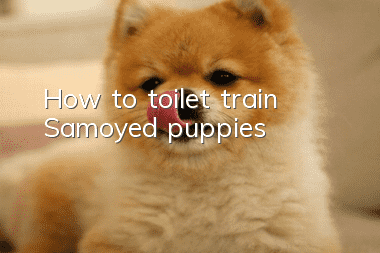
How to raise Samoyed puppies

1. Prepare the kennel
First of all, you must provide the puppies with a quiet and safe indoor "territory" as their shelter. At first, puppies will prefer to be close to things like mats. You can try to prepare a lace mat embroidered with imitation animal fur patterns as a quilt for your dog. This will allow it to have the familiar feeling of being next to its companions and reduce its nervousness when it first arrives in a strange place.
2. Choice of venue
The next step is to choose a suitable venue. If you plan to keep your dog outdoors in your home, even if you want your dog to spend the first two nights inside, don’t wait too long before bringing your dog in for the first two nights. long-term residence. In order to facilitate the care of puppies, the selected place should be easy to reach and clean, have good air circulation, and should not be too far away from the indoors. A clean and comfortable resting environment will not only help control lice infestation, but also have a good impact on the puppy's health. Character development is also important.
3. Food carrier
It is best for owners to choose containers specifically designed for puppies to hold food and water, because most special containers are more convenient and durable. In addition, pay attention to keeping the utensils clean and clean them frequently. It is best to place the container of food and water close to where the dog rests. You can also teach the dog to sit down before feeding, so that the dog will be more obedient when eating. Also be careful to remind children not to harass dogs for eating.
4. Feeding methods
The food prepared by the breeder for the Samoyed should be something that the Samoyed particularly likes to eat. Such as meat and bones, etc. Due to nervousness and discomfort, the Samoyed dog may not eat at first. At this time, the breeder does not have to rush to force it to eat. After a period of time, the Samoyed dog will automatically eat after adapting.
5. Fur and skin care
Getting your puppy into the habit of grooming will go a long way toward preventing fleas, ticks, or other hidden skin problems. Grooming and grooming your dog regularly, paying attention to certain areas that are easily overlooked, such as ears and skin folds, can help keep their coat healthy. In addition, you should bathe your dog frequently. This will not only remove the dirt on the dog, but also prevent fleas. Pet shampoo is more suitable for dogs than our commonly used self-bathing solutions.
6. Teeth cleaning
Just like us, dogs also need regular dental check-ups. It is recommended that dogs develop the habit of receiving dental checkups from an early age. To keep your dog's teeth healthy, brush your dog's teeth regularly or let him chew uncooked bones. Note that cooked bones are easily chewed into pieces and may become clogged in the dog's large intestine, so they should not be chewed.
Related articles


Random articles
- Precautions for bathing golden retriever puppies
- What is the personality of the Portuguese Water Dog?
- What fruits are good for Bichon Frize dogs?
- How to choose pet dog shampoo
- How to identify golden retriever puppies
- What can’t Portuguese Water Dogs eat?
- How to feed golden retriever puppies dog food
- How to make puppy sanitary pants
- What should Scottish Shepherds eat?
- How to feed purebred German Shepherd puppies