

Diagnosis, prevention and treatment of periodontitis in dogs
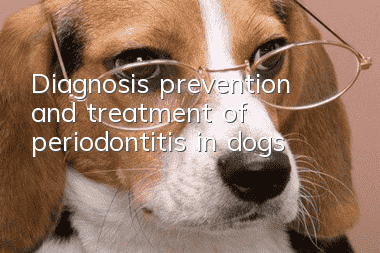
Diagnosis of periodontitis in dogs:
The symptoms of periodontitis in dogs are bad breath, salivation, red gums, swelling, softening, shrinkage, and exposed tooth roots. The teeth are loose, and purulent secretions can be seen in the gums or purulent secretions can flow out from the gums. Radiographs showed localized alveolar osteolysis, indicating an apical abscess.
Prevention and treatment of periodontitis in dogs:
1. Remove dental plaque, calculus and food residue under anesthesia. Pay attention to removing plaque and calculus on the tooth root surface under the tooth margin (that is, in the periodontal pocket). Polish all tooth surfaces as much as possible to prevent plaque and stones from reaccumulating and bonding. Remove loose teeth.
2. For stubborn periodontitis that cannot be cured for a long time, the relevant teeth should be extracted. If your gums are enlarged, you can use electric cautery to remove excess tissue. Apply iodine glycerin after surgery. Systemic application of antibiotics, vitamin B complex, niacin, etc.
3. Preventive measures include frequent oral and tooth examinations, and regular cleaning of tartar with gauze. Feed solid food. Give large bones or large chews, etc., to exercise the teeth and gums. Giving Dalbergia dry food can help prevent the occurrence of periodontitis.
Related articles

Random articles
- Can dogs get arthritis? What causes dogs to get arthritis?
- How to help puppies increase their resistance? A must-read for novices!
- Dog won't eat or drink, loses energy and vomits
- What can a dog eat to induce an abortion?
- What should I do if my dog keeps peeing when he's not at home?
- What are the causes of vomiting and diarrhea in dogs? Find the cause and prescribe the right medicine!
- Dog keeps coughing and foaming as if stuck
- How to train a Corgi to sit for a long time? The correct way to train a Corgi!
- What are the characteristics of German Shepherd dogs?
- How to deal with bad breath in Scottish Sheepdogs