
How to tell if a cat has symptoms of stress response
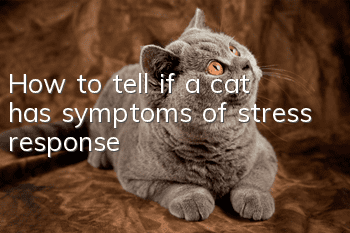
Symptoms of cat stress reaction:
1. Cat stress reaction will cause symptoms such as flying ears, fried hair, shortness of breath, open mouth and panting.
2. Some cats will have symptoms of hiding, not eating or drinking, listlessness, soft stools, and vomiting in response to stress.
3. Cats’ stress response and tendency to attack can be revealed through the cat’s facial expressions and body posture.
4. Severe stress reactions may cause problems with the cat’s urinary system, and Ken may suffer from liver disease. In the most serious cases, the heart may accelerate, twitch all over, have difficulty breathing, and die quickly. .
Methods to alleviate cat stress response:
1. Provide a quiet environment. You can put the cat in a relatively small and dark box to keep it quiet and not disturb it. Just let it rest on its own.
2. You can take the items that the cat used before to the new home, which can give the cat a certain sense of familiarity and gradually adapt to it.
3. You can put some catnip and pheromones in the room to relieve the cat’s anxiety.
4. If the cat has symptoms such as vomiting and diarrhea, you can add an appropriate amount of probiotics to the cat’s food to regulate the gastrointestinal environment, which will help relieve the cat’s symptoms.
Related articles
Random articles
- Why does the kitten keep sneezing?
- How do cats communicate with each other?
- Cat vomited a puddle of yellow water after eating cat grass
- Nutritional needs of healthy cats
- Two ways to measure the temperature of pet cats
- Why does the cat meow when the owner takes a bath?
- Can cats eat chicken liver?
- Why can’t Cat Howl Spring be interrupted?
- Will the color of lanugo change after gold gradient layer change?
- Will Ragdoll cats be lonely at home alone?