

Cat respiratory infection
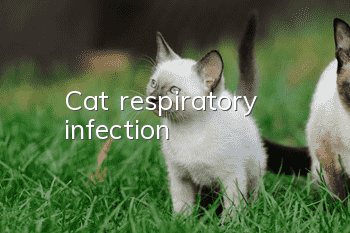
Causes of respiratory tract infections in cats
1. Pathogenic microbial infections, including bacteria, viruses, mycoplasma, etc.
2. Decreased resistance. Reasons for reduced cat resistance include fatigue, cold, rain, etc. After a cat’s resistance is reduced, it is easy for pathogenic microorganisms to invade.
3. Cat respiratory infection symptoms include coughing, sneezing, runny nose, phlegm in the throat, poor energy, loss of appetite, watery eyes and other abnormal symptoms. Cat owners need to intervene in time.
Solutions to Cat Respiratory Infection
1. Disinfection
Cats suffering from respiratory tract infections are very easily contagious. Cats can spread from cats to cats but not from humans to humans. , so disinfection is very important. Many people think that it doesn't matter if there is only one cat in the house. In fact, many cats have colds all the time because of repeated infections. The house is not disinfected, and the virus remains and the infection is reinfected, which increases the probability of recurrence. Especially cats are prone to secretions such as nasal mucus and tears. Stick to furniture. You can use 84 disinfectant to clean your home daily and maintain a ventilated environment.
2. Keep warm and eat normally
During the period of illness, the cat’s body is relatively weak. It is necessary to maintain a normal diet to provide sufficient nutrients to help the body’s metabolism recover. It is still necessary to keep warm, and try to avoid catching cold, which will cause the cat's resistance to decrease. For example, try not to blow too much air conditioning in summer.
3. Prescribe the right medicine to the situation
Although they are all called upper respiratory tract infections, the medicines used in different situations are still different. Many so-called catteries will recommend the same medicine whenever someone sneezes. That definitely cannot be cured. Generally speaking, upper respiratory tract infections are treated with doceterine, Sunuo, Yanbikang, etc. Specifically, it is recommended to seek diagnosis from a professional and then use appropriate medication.
4. Prevention
Additional supplementation of trace elements can effectively alleviate and prevent various upper respiratory tract infection symptoms in cats and reduce the possibility of recurrence of nasal branch in cats. It is recommended to use transfer factor oral liquid, etc. Improve cat's resistance.
Related articles

Random articles
- Where is the best place to put the litter box after raising a cat?
- How to treat kitten catitis?
- How to keep your cat warm when it’s cold at home
- How to clean your cat's tail?
- How to train a cat not to play with water?
- Is it really difficult to train cats? How to train cats!
- What is the best thing for cats to eat after giving birth? Recommended diet for cats after giving birth
- How to relieve a cat’s heat
- There are different ways to reprimand and exercise cats on different occasions, you can do better!
- Can cats eat fatty meat?