

Is cat-to-belly transmission contagious?
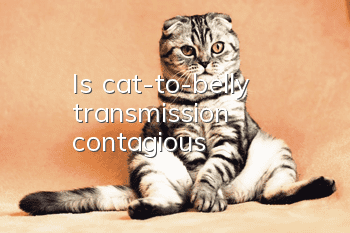
Cat abdominal transmission is contagious. Cat abdominal transmission is caused by infectious peritonitis virus. This virus is mutated from coronavirus. At the beginning of the disease, cats show vomiting, diarrhea, lethargy, etc., and later in the disease In severe cases, anemia, jaundice, etc. will appear, and the fatality rate is extremely high. It can be transmitted through the saliva, secretions and feces of sick cats. Regular vaccination is the most effective means of prevention.
Symptoms of abdominal transmission in cats:
1. In the early stages of the disease, cats will be listless and have a loss of appetite, but other symptoms are generally not obvious. As the disease progresses, cats suffering from dry-type cat abdominal distension may show symptoms such as cloudy eyes, visual impairment, mild fever, and body weight loss. Some cats may also suffer from paralysis and spasm of hind limbs.
2. Wet type cats may experience symptoms such as difficulty breathing, loss of appetite, anemia, weight loss, etc. Male cats may also experience scrotal swelling. At the same time, a large amount of fluid will accumulate in the cat's abdominal and pleural cavities, causing the abdomen to become significantly enlarged.
Related articles

Random articles
- How to solve the problem of Ragdoll cats crawling and rummaging through things
- An introduction to the causes of hematuria in cats
- Do cats like drilling the bottom of presses need to be stopped?
- Does a cat need a fecal examination if it has soft stools? What causes it?
- Why does a cat vomit after eating?
- How to correct a cat from pooping
- Why does a cat’s tongue turn black?
- What can Ragdoll cats eat to prevent loose stools?
- Why do cats lick people? What does it mean when a cat licks you?
- What causes cats to urinate randomly, and how to solve it?