

What diseases are dogs’ teeth usually susceptible to, and what are their characteristics?
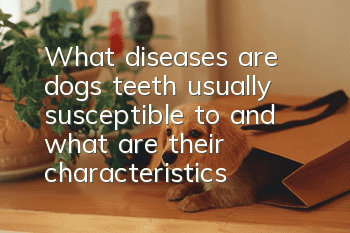
As the saying goes, "Toothache is not a disease, it hurts really bad." Dogs also have dental problems for various reasons, which in turn affects their diet or dental health. It's just that dogs are more tolerant of pain than humans. Let’s take a look at the common dental diseases in dogs with the editor:
1. Periodontitis: Periodontitis, also known as alveolar pyorrhea, is an acute or chronic inflammation of the periodontal ligament. This disease is characterized by the resorption of alveolar bones and loosening of teeth. Characterized by gingival recession. In the early stage, there is a desire to eat, but one is cautious; the gums are red, swollen, soft, have bad breath, salivation, loose teeth, and purulent secretions or blood leak out from the gums. Appetite gradually decreased, the affected dog showed pain, and its body surface gradually became lighter.
2. Gingivitis: This disease is an acute or chronic inflammation of the gums, characterized by congestion and swelling of the gums. Anorexia or loss of appetite; unusual or exaggerated chewing movements, "chattering" of the teeth; bad breath; drooling (drooling); bleeding from the mouth or gums; difficulty swallowing; vomiting, retching, choking, or regurgitation; wiping or shaking of the face; nose Discharge, sneezing; fever, depression, or local lymphadenopathy.
3. Dental calculus: The gums become flushed, forming yellow-white, yellow-green or gray-green deposits on the edges of the gums. Sometimes damage to the tongue and buccal mucosa can be seen, and sometimes due to the extrusion of calculus, atrophy of the periosteum of the gums and tooth roots can be seen. It often turns brown or dark brown, and can cause gingivitis and alveolar periostitis. When checking the oral cavity, you can find gingival ulcers, salivation, a foul smell in the mouth, and food accumulation in the damaged mucosa.
Warm reminder: Generally, dogs should clean or take care of their teeth regularly after they are over two years old, especially if they do not eat meat. You can use pet-specific toothpaste and toothbrush care once every two weeks. For those who are older and have dental problems, they should go to the hospital for examination and treatment in time, otherwise it will affect the dog's quality of life in old age.
Recommended Good Things
Aineng Pet Odor Eliminating Disinfectant can effectively remove body odor/feces odor and other odor molecules! Effectively treats skin diseases caused byfungi/bacteria! Can killparvovirus/canine distemper virus/coronavirusetc.!
It is edible grade for pets, does not contain fragrances, does not contain chemicals, can be sprayed directly, and is harmless to human pets!
Consultation:13028809308 (WeChat synchronization)
Scan the QR code on WeChat to enter the purchase
Related articles

Random articles
- Why does the dog keep shaking?
- Things to note when breeding Teddy
- What are the causes of bad mouth in dogs?
- Learn how to feed scientifically, and your Labrador will not be far from a racing dog
- How to treat diarrhea in a two-day-old dog
- Why do dogs keep biting their own tails?
- What dogs should not eat during pregnancy Precautions for dogs during pregnancy
- Most dogs over the age of three suffer from various dental diseases
- How to take care of your dog when he is sick
- American Urine off urea can effectively reduce canine leptospirosis virus??