

How to detect if your dog has parvovirus or distemper
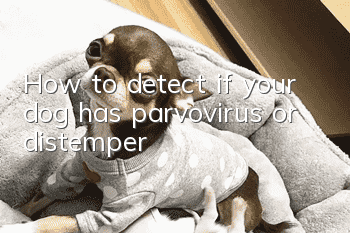
Clinically, canine parvovirus and canine distemper test strips are often used to test, and then combined with the disease manifestations and clinical symptoms to determine whether the dog is infected with parvovirus and canine distemper. If your dog is found to be depressed, vomiting, or having diarrhea, and the diarrhea has a fishy smell, you may suspect that your dog is infected with parvovirus. If your dog is found to have a cough, thick eye mucus, thick nose, dry nose and fever, it may be suspected of being infected with canine distemper virus.
How to deal with canine distemper in dogs:
1. Give it daily infusion and injection treatment according to the doctor’s prescription. You can inject it with monoclonal antibodies and Interferon, and also feed the dog some food that helps improve immunity.
2. The environment where dogs live and the places they frequently visit must be thoroughly cleaned and disinfected every day. Keep the environment clean to prevent sick dogs from contracting other diseases.
3. Dog care should be strengthened every day. For example, combing, cleaning eyes, giving eye drops to dogs, etc. Note, be sure to keep your dog warm and never let it catch a cold.
Related articles


Random articles
- How to groom your dog correctly
- What is used to disinfect canine distemper?
- What are the signs that Pomeranian doesn’t like his master?
- How to train a dog to pick bottles? Teach you how to train your dog correctly!
- How to deal with dogs swallowing foreign objects
- Can dogs with fungal skin diseases use erythromycin ointment?
- What should I do if my dog suffers from ear hematoma?
- Symptoms and treatments of otitis media in dogs
- Where does the dog blood needed for dog surgery come from?
- Can parvovirus be cured?