

How many days does it take from onset to death of cat rhinoplasty?
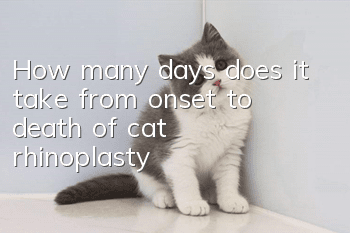
If a cat’s nasal branch is not treated promptly, he may die within a week. If treatment measures are taken in the early stages of the disease, there is a high probability that the cat will be cured. When a cat is found to have symptoms such as sneezing, runny nose, fever, cough, etc., the cat should be taken for examination and treatment in time.
In the early stage of the disease, there will be symptoms such as elevated body temperature, obvious symptoms of upper respiratory tract infection, paroxysmal coughing, sneezing, and tearing. In the middle and later stages, conjunctivitis, photophobia and eye discharge may occur, and in severe cases, corneal ulcers may occur. Symptoms include loss of appetite, oral erosion and ulcers, difficulty eating, constant discharge of viscous secretions from the mouth, increased nasal secretions, weight loss, and depression.
The pathogen of feline rhinophyma is feline herpes virus. The main route of infection is through contact with the mouth, nose or eye secretions of sick cats. Droplets are also one of the routes of infection. It is a disease that spreads quickly. In order to avoid infecting other cats or pets, the affected cat needs to be isolated in time, the house must be cleaned, and things that the cat comes into contact with must be disinfected.
Related articles

Random articles
- What are the taboos in cat diet?
- How long does it take for a cat to undergo external deworming after taking a bath?
- Why do cats like to hold hands?
- How to wean a kitten?
- Can cats suffer from depression? What are the symptoms of depression in cats?
- What should I do if my cat wets the bed?
- How should cats be trained? Let’s learn some tips on training cats!
- Do you know what the different meows of cats mean?
- Are cats color blind? What are cats color blind?
- What should I do if my cat is picky about food? Changing the cat’s eating habits is inevitable