
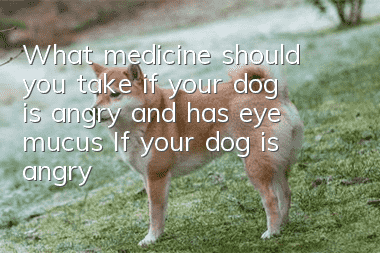
When I take my dog out for a walk, my dog won’t walk. Why my dog won’t walk when I take him for a walk?
Puppy Confusion
Most puppies are in constant motion, but when a dog is first collared, the pressure around the neck can be enough to make a busy puppy The dog stopped in his tracks. Pulling your puppy to encourage a walk at this time is useless and may even make your puppy more uncomfortable and resistant to what is happening to him.
How to solve it?
Before your first outdoor walk on a leash, allow your puppy to roam freely around the house or yard while wearing the collar. This will help him get used to the neck. The feeling of something around you. Then pick up the leash, making sure there is no pressure on the leash, call your puppy in a pleasant tone, and give him a tasty treat or pet when he finds you. Repeat the process, moving around the room and keeping this new game upbeat. Once your puppy comes to you, looking forward to the next treat and pet, you can put on the leash and take him outside to continue playing.
Fear-based
Dogs who have been deprived of socialization (no socialization exercises as puppies) may become nervous about the outside world, which may show reluctance or even Refuse to go for a walk. It's possible that your dog's fear will be apparent in other situations, such as meeting new people and different sounds, but parents often don't realize this.
How to solve it?
Try using baby steps to help build your dog's confidence - you shouldn't be doing any marathon walking preparations at first. Your goal is to desensitize your dog to anything he perceives as scary while you reward him for moving in the right direction. So you could take your dog outside during off-peak hours and observe any rewardable behavior that resembles the start of a walk, which might be a slight glimpse of the street. You can mark the behavior with a clicker or verbally, such as saying "Awesome!" right away and follow up with a high-value treat or pet reward. Then take your time, stay positive, and gradually work your dog's behavior from scanning to eventually walking.
Collar Comfort
Many pet parents often choose to buy a sturdy collar and leash to keep their dog safe, rather than realizing that oversized equipment can make them uncomfortable, especially It's for puppies. The thickness of the collar and the weight of the buckle on the leash may feel like an anchor around your dog's neck and also cause them to move slowly. And pain-based training collars, such as P-chains and electric collars, can have even more negative associations with dogs, so much so that they will refuse to move while they are wearing them.
How to solve it?
Choose the lightest leash and collar that is safe for your dog. Stop relying on outdated tools that stimulate the neck to get your dog to obey.
Unknown Pain
There is nothing worse than thinking your dog is refusing to walk because he is being stubborn, because often it turns out that you are hiding pain that you were unaware of. There are a variety of pathological issues that can make dogs uncomfortable. These range from injuries from overactivity, to age-related pain, to orthopedic conditions, to tick-borne illnesses, and even some cancers.
How to solve it?
Gently examine your dog for any hidden pain, such as injured paw pads or nails. A sudden refusal to walk may be a sign of injury, so take your dog to your veterinarian to have the cause checked. A gradual reluctance to walk over time may mean your dog is continuing his pain, so make an appointment with your veterinarian to discuss treatment options.
Rejection of rescued dogs
Some rescued dogs come from a variety of situations, from runaway dogs in backyards to stray dogs wandering the streets to dogs from breeding farms. A rescued dog will subconsciously refuse to be kept on a leash because the concept is completely foreign to him. Sure, he could have been confident and happy in the world, but the feeling of a noose around his neck was enough to give him pause.
How to solve it?
Just like early puppy training, rescued stray dogs need the opportunity to first become familiar with what it's like to be a dog. Have him put the collar on in the room or around the house first, and then play the same "come to me and give you a yummy treat" game.
You can also start your obedience game by teaching your dog to aim for your hand; simply place your hand on your dog's nose, a foot away from him, and when he moves towards it At this time, click the clicker or say "Great!" to encourage this forward movement, and give food or comfort rewards. Then keep encouraging your dog to aim for your hand when you start walking.
Unwilling to leave
Sometimes dogs don’t want to part with their beloved friends because they had a great time playing outside, so they choose to stay where they are rather than continue walking.
How to solve it?
Rather than cajoling, or worse, scolding, you turn away from him, ignore him, and make sure he doesn't get accidentally reinforced by staying put. Just a click of the clicker when he moves, no matter how small, and a little encouragement can get him as far as you want him to go. It takes patience and encouragement, but eventually it's time to go on a pleasant walk.
Related articles
Random articles
- Do healthy dogs have eye mucus in their eyes? All dogs have eye mucus.
- Can dogs still eat when they have diarrhea? Can you still eat when you have diarrhea?
- How often is the interval between puppy feeding? Puppy feeding definitely requires more attention!
- There are many reasons why dogs have eye mucus. In addition to getting angry, there are other reasons:
- Diagnosis and treatment of canine toxoplasmosis
- Golden retriever puppies have sleep twitches. Have you found the cause of sleep twitches?
- What should I do if my dog breaks down my home too much? How to prevent my dog from tearing down my home?
- How to remove tear stains on dogs. Have you learned these points?
- Causes of Separation Anxiety in Dogs Why Do Dogs Have Separation Anxiety?
- Will golden retrievers follow strangers? This has something to do with your training when golden retrievers were young!