

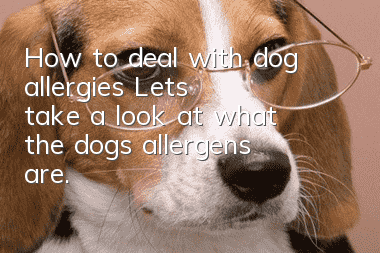
How to deal with dog allergies? Let’s take a look at what the dog’s allergens are.
Methods for treating dog allergies
1. Treat acute food allergies in dogs with oral or injected glucocorticoids and antihistamine drugs.2. Antihistamine drugs include diphenhydramine hydrochloride, chlorpheniramine, and pyrrolidone.
3. Stop feeding harmful foods and switch to hypoallergenic foods, such as lamb, cheese and rice. It is best to feed prescription foods to prevent food allergies.
4. Treat drug and vaccine allergy. If the allergy is mild, the allergy will usually disappear within 1-2 days after stopping taking the allergenic drug.
5. For those with severe allergies, adrenaline or prednisone can be used for drug treatment.
Common causes of dog allergies
1. Inhaled allergens: such as pollen, catkins, dust, mites, animal dander, oil, paint, car exhaust, gas, cigarettes, etc.2. Ingestible allergens: such as milk, eggs, fish and shrimp, beef and mutton, seafood, animal fat, foreign proteins, alcohol, drugs, antibiotics, anti-inflammatory drugs, sesame oil, flavors, onions, ginger, garlic and Some vegetables, fruits, etc.
3. Contact allergens: such as cold air, hot air, ultraviolet rays, radiation, cosmetics, shampoo, dish soap, hair dye, soap, chemical fiber supplies, plastics, metal jewelry (watches, necklaces, rings, earrings), bacteria, mold, viruses, parasites, etc.
4. Injectable allergens: such as penicillin, streptomycin, heterogeneous serum, etc. Penicillin is the first drug to cause drug allergies in dogs and cats, followed by sulfonamides, griseofulvin, cytosine, and sulfadimethylisoxazole. For example: superficial exfoliation caused by quinidine; bullous sores caused by phenytoin; purpura caused by chloramphenicol; urticaria caused by tetracycline; fixed drug eruption caused by ampicillin, etc.
5. Self-tissue antigens: self-tissue antigens whose structure or composition changes due to mental stress, work pressure, microbial infection, ionizing radiation, burns and other biological and physical and chemical factors.
Common symptoms of dog allergies
Food allergy
1. Cutaneous food allergy. Dogs usually experience itching all over the body after eating, or erythema, papules, and scales appear on the skin all over the body. Loss of coat, exfoliation or ulceration, urticaria and angioedema, pustules and otitis-like symptoms.2. Gastrointestinal symptoms, mainly watery diarrhea and vomiting after eating, mild intestinal inflammation, severe hemorrhagic colitis, and bloody stools.
3. The gastrointestinal type and cutaneous type sometimes occur at the same time, but most are single types.
Drug allergy
1. Since there are many causes of drug and vaccine allergy, the clinical manifestations are different, and the specific symptoms are usually not obvious.2. Its common skin symptoms include papules, pustules and bullae, bleeding, erosion, ulcers, scales and scabs.
Related articles
Random articles
- Tips for raising a dog in summer: Never leave your dog alone in the car
- Why do dogs vomit? The reason why dogs vomit is not just pregnancy!
- Symptoms of dog keratitis. Take care of your dog’s eye health starting now
- Do dogs need deworming in summer? What should you pay attention to when raising dogs in summer?
- Symptoms of conjunctivitis in dogs. Dogs’ eyes should be carefully protected.
- What are the dangers of ticks and how to prevent ticks
- How to remove ticks Never crush ticks with your hands
- How long should you walk your dog for? What are the benefits of walking your dog?
- Symptoms of Parvovirus in Dogs Parvovirus problems in dogs are more serious than you can imagine!
- Common eye diseases in dogs What are the common eye diseases in dogs