

How to raise a fawn dog in winter
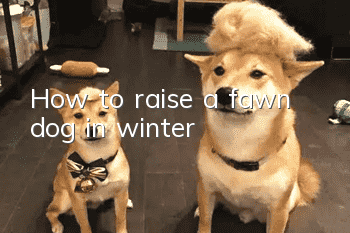
How to raise a fawn dog in winter? If the fawn dog is kept outdoors, the drinking water should be replaced with warm water, and metal containers should not be used. Feed more dog food to fawn dogs, but less to dogs that spend the winter indoors and rarely go out. Antifreeze spilled on the ground should be cleaned up in time to prevent dogs from accidentally eating it. Dogs should also be bathed and combed regularly in winter, and dried immediately after bathing.
1. Appropriate amount of clean warm water:
If your fawn is kept outdoors, prepare a basin for it that can hold warm water. But don't use metal containers, as your dog's tongue may get stuck on the cold metal. The air is very dry in winter, and dogs that spend the winter indoors will also need more water.
2. Moderate and appropriate food:
Fawn dogs that often move outdoors need more food in cold weather. Prepare high-quality dog food for them and feed them more every day to preserve more calories to resist the cold. From another perspective, dogs that spend the winter indoors and rarely go out need less food in winter to avoid obesity caused by reduced activity.
3. Clean the antifreeze spilled on the ground:
For fawn dogs, vehicle antifreeze is one of the most dangerous killers in winter. Dogs kept in garages should be especially careful. They all love the sweet taste of antifreeze, but unfortunately, just a small amount of it can be fatal to them. If you suspect your dog has drunk antifreeze, take him to the veterinarian immediately. Also consider using antifreeze that is non-toxic to animals.
4. Bath and comb your hair regularly:
Fawn dogs also need to be bathed in winter, especially for dogs that often go out for activities. Their coats tend to tangle and trap mud and snow. After bathing, let their coat dry completely before letting them go outside. When it is inconvenient to bathe with water, you can consider dry cleaning with pet-specific dry shampoo, and be sure to remove the powder. In addition, regular combing will not only make the dog's hair supple and better protect against the cold, but also untie dead knots, remove dust and dead hair, and promote skin metabolism. On the other hand, lumps or wounds hidden under thick hair can also be discovered in time.
Related articles

Random articles
- How to choose German Shepherd
- What can’t be eaten in Satsuma?
- What to do with dog hair felting
- What are the characteristics of Samoyed dogs?
- What to feed German Shepherd puppies
- What to do if dog hair becomes tangled
- What can’t German Shepherds eat?
- How to train your dog’s toilet
- When does a German Shepherd’s ears prick up?
- What is the personality of a Yorkie?