
What are the symptoms of a cold in American Foxhounds? Cold symptoms and treatments
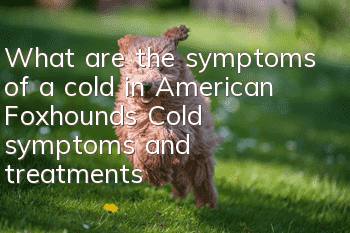
What are the symptoms of a cold in American Foxhounds? Colds are probably familiar to everyone, and they are also a common disease. For dogs, dogs can also catch a cold because of colds.
Cause
The main reason is the effect of cold, especially when feeding and management are improper, it is more likely to occur. For example, sleeping in the open at cold nights, lying in the cold for a long time, being invaded by wind, being exposed to rain after sweating profusely or being stimulated by cold water when wading across a river, being kept in a cold and humid environment for a long time, etc., can all reduce the resistance of the upper respiratory tract mucosa, and Promote the occurrence of this disease.
Key points of diagnosis
The sick dog has a depressed look, indifferent expression, irregular skin temperature, and cold tips of ears and nose. The conjunctiva is flushed or slightly swollen, tearing, body temperature rises, often coughing, runny nose, the sick dog's nasal mucosa is itchy, and the nose is often scratched with the forepaws. In severe cases, there is aversion to cold and light, dry mouth and tongue, accelerated breathing, and increased pulse rate.
Usually, it is not difficult to diagnose based on symptoms such as cough, runny nose, elevated body temperature, irregular skin temperature, shyness and tears in sick dogs, combined with a history of cold exposure.
Preventive and control measures
First, early intramuscular injection of 30% metamizole, analgin or balding solution, once a day, 2 ml each time. Paracetamol can also be taken orally, with a dosage of 0.1 to 1 g/time. Bupleurum injection 1 to 2 ml/kg body weight, intramuscular injection, 2 times a day, andrographis paniculata injection, intramuscular injection, 2 times a day. In order to prevent secondary infection, antibacterial drugs can be used appropriately.
Second, improve feeding and management conditions, pay attention to keeping warm, prevent wind invasion, and strengthen cold protection measures when the climate changes suddenly. Pay attention to daily cold-resistant exercise to enhance the dog's resistance.
Causes of rhinitis
First, cold stimulation causes the nasal mucosa to become congested and exudate under the stimulation of cold, so the bacteria that are present in the nasal cavity take the opportunity to develop and multiply, causing mucosal inflammation.
Second, inhalation of ammonia, chlorine, smoke, dust, pollen, insects, etc. directly irritates the nasal mucosa and can cause inflammation.
Third, it is secondary to the spread of certain infectious diseases or inflammation of adjacent organs.
Key points of diagnosis
(1) At the beginning of acute rhinitis, the nasal mucosa is flushed and swollen, and sneezing occurs frequently. The sick dog often shakes its head or scratches its nose with its front paws, and then the nasal mucus flows from one or both nostrils, which is initially transparent and serous. Later it becomes serous mucinous or mucopurulent, and after drying, dry scabs form around the nostrils. When the condition is severe, the nasal mucosa becomes swollen, narrowing the nasal cavity, affecting breathing, and nasal congestion can often be heard. When accompanied by conjunctivitis, the patient may shed tears due to embarrassment. When accompanied by pharyngitis, the sick dog has difficulty swallowing, coughing, and swollen mandibular lymph nodes.
(2) ChronicRhinitis develops slowly, with nasal mucus coming in and out, mostly mucopurulent. If inflammation spreads to the paranasal sinuses, it can often cause bone necrosis and tissue disintegration, so the nasal mucus may be mixed with blood and have a putrid smell. Chronic rhinitis can often become the cause of suffocation or encephalopathy and should be taken seriously.
Diagnosis can be made based on nasal symptoms, such as flushing and swelling of the nasal mucosa, runny nose, sneezing and scratching of the nose.
Preventive and control measures
In the treatment of rhinitis, the cause of the disease should first be removed, the sick dog should be placed in a warm environment, the dog should be stopped from training, and the dog should rest appropriately. Generally speaking, dogs with acute mild illness can often recover without medication. For severe rhinitis, the following drugs can be used to flush the nasal cavity of sick dogs: 1% saline solution, 2% to 3% boric acid solution, 1% sodium bicarbonate solution, 0.1% potassium permanganate solution, etc. When flushing the nasal cavity, the sick dog's head must be lowered. After flushing, anti-inflammatory agent is dripped into the nose. In order to promote vasoconstriction and reduce sensitivity, 0.1% epinephrine or phenyl salicylate (Saro) paraffin oil (1:10) can be dropped into the nose. When the nasal mucosa is severely congested and swollen, 0.05% to 0.1% nasal drops can be used.
Related articles
Random articles
- What medicine should an American Foxhound take if he has enteritis? How to treat enteritis in an American Foxhound
- How to raise a Tibetan Hound. Precautions for raising a Tibetan Hound.
- How to care for a Greater Swiss Mountain Dog How to care for a Greater Swiss Mountain Dog
- What does the Greater Swiss Mountain Dog eat? Feeding precautions
- How to bathe a Tibetan Hound Tibetan Hound bathing care tutorial
- How to brush your Greater Swiss Mountain Dog's teeth Step by step for brushing your Greater Swiss Mountain Dog's teeth
- How to clean Tibetan Hound's teeth well How to clean Tibetan Hound's teeth
- What to prepare for raising a Greater Swiss Mountain Dog Things to prepare before raising a Swiss Mountain Dog
- How to Clean Tibetan Hound Ears Tibetan Hound Terrier Ear Care Methods
- How to bathe a Tibetan Hound. Steps and procedures for bathing a Tibetan Hound.