

Canine Infectious Bronchitis Symptoms: Pay Attention to Dog Coughing
Symptoms of canine infectious bronchitis
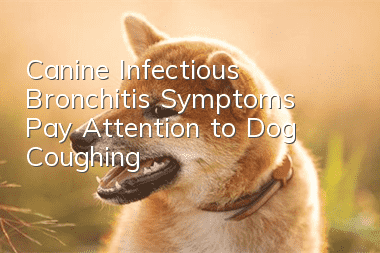
1. The most common clinical symptom of this disease is paroxysmal short, powerful dry cough in dogs, which is often accompanied by vomiting.2. The dog will have a runny nose and a mild or moderate increase in body temperature.
3. The dog begins to refuse to eat and becomes depressed. After the course of the disease is delayed, it may evolve into chronic tracheobronchitis or pneumonia.
4. The condition usually lasts 10-20 days.
Causes of canine infectious bronchitis
1. This disease is caused by single or mixed infection by multiple pathogens.2. Environmental factors and factors that can reduce the body's resistance, such as humidity, cold, strong wind, and transportation stress, can increase the body's susceptibility.
3. Common pathogens include viruses, such as canine parainfluenza virus, canine distemper virus, herpes virus, reovirus, etc.; bacteria, such as Bordetella bronchiseptica, Pasteurella, etc.; Mycoplasma.
4. In addition, strenuous exercise or excitement can also worsen the condition.
Prevention and treatment measures for canine infectious bronchitis
1. There is currently no specific treatment drug. Dog care should be strengthened, nutrition improved, symptomatic treatment and secondary infection prevented. In nursing, special attention should be paid to preventing cold and keeping warm. Symptomatic treatment should focus on relieving cough, relieving asthma, and reducing inflammation. To prevent bacterial infection, broad antibiotics and certain drugs that can reach effective concentrations in the trachea and bronchial mucosa should be used. Commonly used drugs include: codeine, tylosin, tetracycline, kanamycin, cephalosporins, chlortetracycline, etc.2. Corticosteroids and steroid drugs have anti-inflammatory effects and help reduce the clinical symptoms of sick dogs. Dexamethasone, prednisolone, etc. are commonly used, but they must be used in combination with antibiotics.
3. In terms of prevention, there is currently no specific vaccine available in China. If possible, the imported canine six-part vaccine can be used for immunization. Currently, the "kennel cough vaccine" produced by the Dutch company Intervet adopts the intranasal method. It is painless and can achieve preventive effects. Other preventive measures are the same as for general infectious diseases. Special attention should be paid to strengthening feeding management, regular disinfection and quarantine to prevent the introduction of viruses. Once the disease occurs, the sick dog should be isolated as soon as possible, and the entire litter should be evacuated appropriately. At the same time, timely treatment and environmental disinfection should be carried out.
4. Strengthen daily care, keep sick dogs quiet, and avoid irritating gases and smoke.
Related articles

Random articles
- How to clean periodontitis in dogs? Did your dog brush his teeth today?
- How to treat meningitis in dogs Tell you the secrets about meningitis in dogs
- How to tell whether stray dogs are healthy? Pay attention to observing dogs
- What to do if a dog is poisoned How to quickly detoxify a dog if it is poisoned
- What are the symptoms of dog pain? In addition to barking, dog pain also depends on movement.
- What are the causes of dog death? Top 10 causes of pet death
- What tests are done for a dog’s physical examination? Has your dog had a physical examination?
- When should dogs be vaccinated? What diseases do vaccines prevent?
- What are the common items in dog physical examination? Has your dog ever had a physical examination?
- What kind of mental illness do dogs have? Did you know that dogs can also have mental problems?